Murchison Falls National Park Uganda
Murchison Falls National Park Uganda: Your Essential Guide to Wildlife, Scenery, and Adventure
The majestic Murchison Falls thundering down the Nile in Uganda’s wild heart Imagine the Nile River roaring through a narrow crack in the rock. Water crashes with force that shakes the ground. This is Murchison Falls, the beating heart of Uganda’s wild side.
Murchison Falls National Park, or MFNP, covers 3,840 square kilometers. It’s Uganda’s biggest and oldest protected spot, set up in 1926. The park teems with life, from huge herds to rare birds, all tied to the river’s flow.
In this guide, you’ll learn the top sights, when to go, and how to plan your trip. Get ready for tips on safaris that mix thrill and beauty. By the end, you’ll see why MFNP tops any Uganda adventure list.
The Unique Geography and Ecosystem of Murchison Falls National Park Uganda
The Mighty Nile and Murchison Falls
The Nile squeezes into a 23-foot-wide gorge here. It drops 141 feet into a boiling pool called the Devil’s Cauldron. Above the falls, the river looks calm and wide. Below, it turns wild and foamy, carving through the land.
Sir Samuel Baker spotted this wonder in 1864. His wife, Lady Florence, stood by as he named it after a friend, Sir Roderick Murchison. Today, the Murchison Falls power draws visitors to witness the Victoria Nile spectacle up close.
This setup shapes the whole park. The falls create mist that feeds nearby plants. They also push fish and nutrients downstream, boosting life in the water.
Diverse Habitats and Vegetation Zones
Savanna grasslands stretch across open plains. Riverine forests hug the Nile’s edges, full of thick green cover. Acacia woodlands dot the middle ground, while swamps fill low spots near Lake Albert.
This mix lets many animals thrive. Elephants roam the grasslands for grass. Monkeys hide in forest trees for fruit. The Uganda savanna wildlife finds homes in every zone.
Birds flock to swamps for insects. Antelopes graze where acacias shade the soil. The Murchison ecosystem balances it all, thanks to the river’s steady flow.
- Open savannas: Home to big cats and herds.
- River forests: Shelter for primates and small game.
- Swamps: Breeding ground for water birds and hippos.
Conservation History and Establishment
Uganda created the Murchison Falls National Park Uganda in the 1920s to save wildlife from hunters. It joined the larger Murchison Conservation Area in 1952, linking it to nearby reserves. Poaching hit hard in the 1980s, but rangers bounced back with global help.
Now, the park protects species like rhinos, brought back through projects. Over 700 bird types live here, safe from threats. Efforts focus on anti-poaching patrols and community ties.
The park’s story shows Uganda’s commitment. It guards biodiversity amid climate shifts. Visitors help by following rules, like staying on paths.
3 Murchison Falls National Park Uganda
Unmatched Wildlife Viewing Opportunities
The Big Four and Notable Mammals
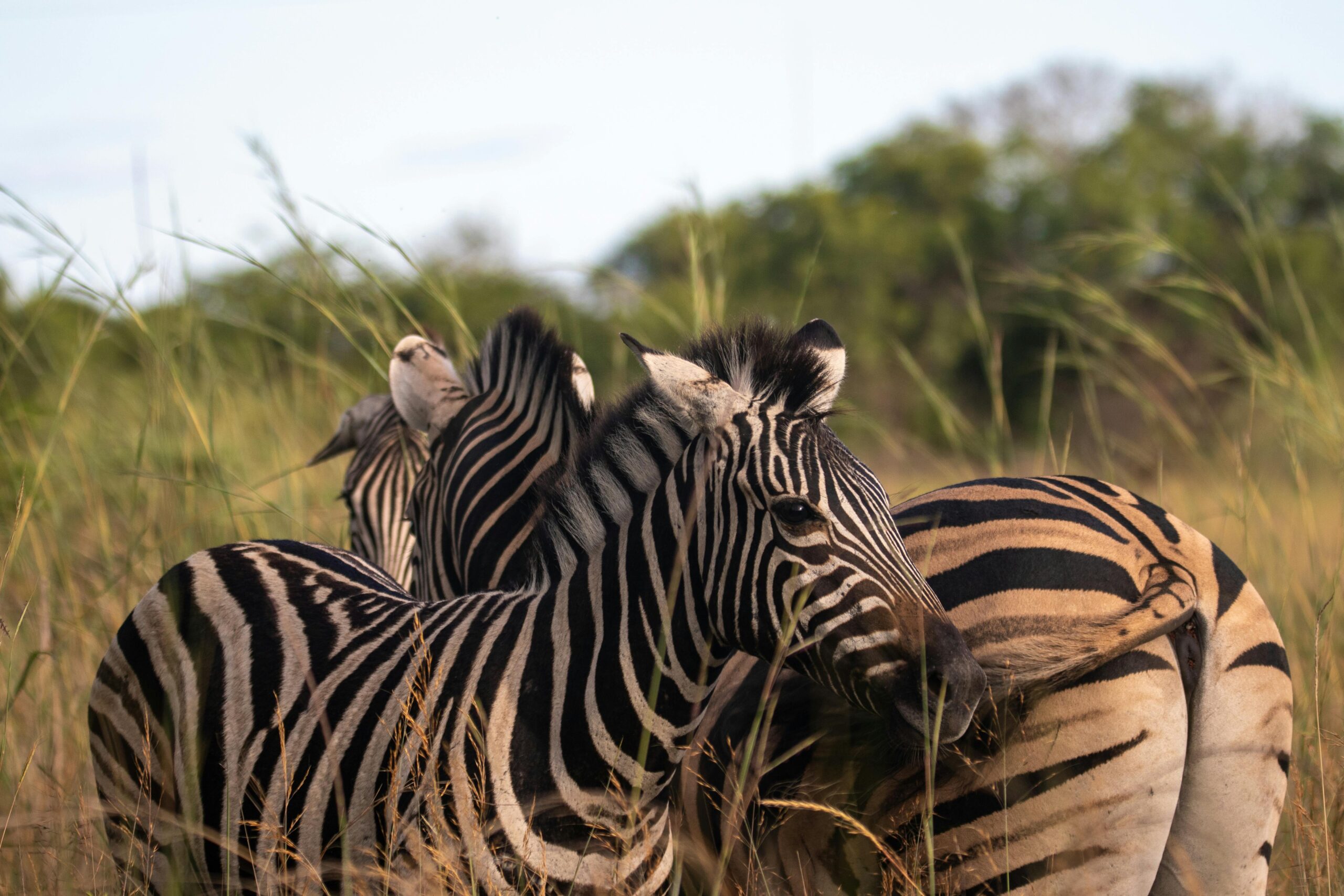
Spot lions lounging on rocks at dawn. Leopards stalk quietly through bush at dusk. Elephants trumpet across the plains in family groups. Buffalo herds charge through dust, horns glinting in sun.
Giraffes tower over acacias, necks swaying as they browse leaves. Jackson’s hartebeest bound in groups, ears flicking at sounds. The Murchison Falls Big Four shine here, with easy sightings on drives.
Over 100 mammal species roam free. Rotting logs draw hyenas at night. Warthogs trot with tails up, dodging lions. Uganda game drive animals pack the northern sections tight.

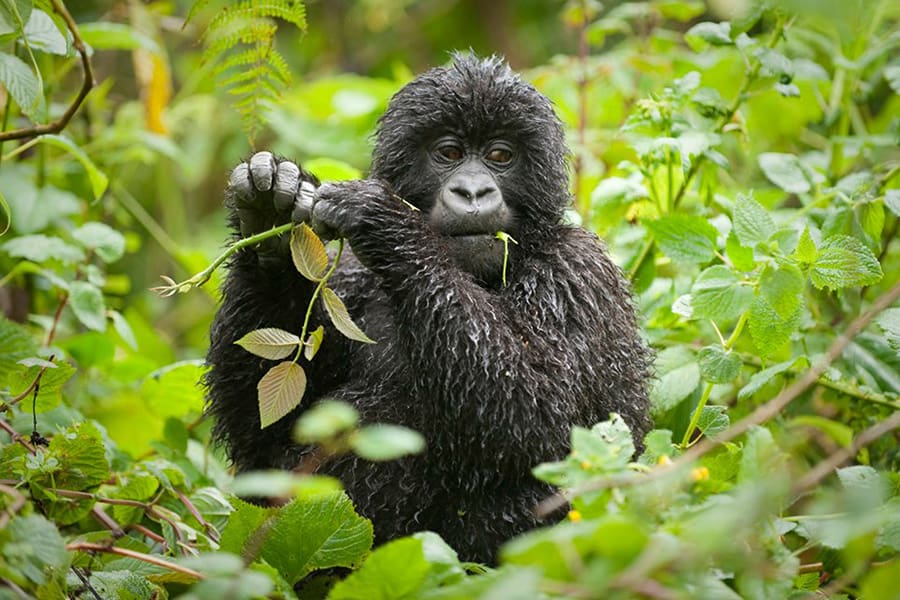
Primates and Canopy Dwellers
- Chimp tracking: Join a guided walk, permit needed.
- Riverbank spots: Scan for red-tailed monkeys from boats.
- Tip: Wear earth tones to blend in and avoid scares.
Avian Paradise: Birdwatching Hotspots
MFNP hosts over 450 bird species. The Shoebill Stork stands tall in swamps, its bill like a spoon. Giant kingfishers flash blue wings over the Nile.
Hornbills call from woodlands, beaks curving big. African fish eagles soar high, snatching meals from water. Saddle-billed storks wade in shallows, legs long and red.
Swamps near the delta pull in migrants. River edges buzz with herons and egrets. Early walks or boat trips catch the most action.
Pack binoculars for details. Join a bird guide for hidden spots. The park’s skies never disappoint enthusiasts.
Murchison Falls National Park Uganda
The Nile Boat Cruise to the Falls Base
Essential Activities and Safari Experiences
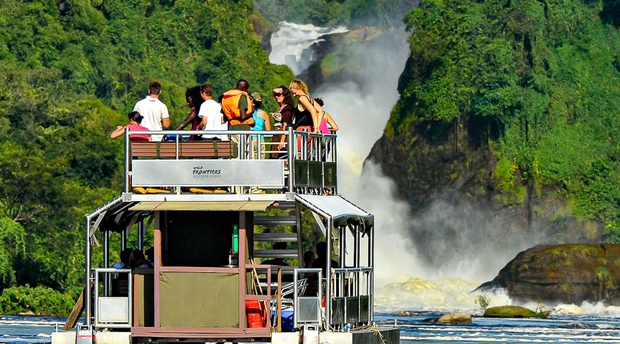
Board a boat at Paraa for a three-hour ride. The Nile winds past reed beds alive with hippos. Crocodiles sun on banks, jaws agape.
Pods of hippos yawn wide near the dock. Water birds like cormorants dive for fish. As you near the falls, spray rises, cooling the air.
This cruise tops lists for close wildlife views. No dusty roads, just smooth water. Even kids love the boat’s gentle rock.
Murchison Falls National Park Uganda
Game Drives Across the Northern Plains
Early morning drives hit the Buligi track first. Lions prowl then, fresh from night hunts. Afternoon runs along the Albert Nile spot elephants at water holes.
Guides know predator hides well. They stop for photos without scaring animals. Routes change with seasons, keeping it fresh.
Hire a local expert for tips. They point out tracks in dust. Morning light paints the plains gold, perfect for shots.
- Buligi route: Prime for cats and antelopes.
- Albert track: Elephants and birds by the lake.
- Tip: Bring water; drives last two to four hours.
Murchison Falls National Park Uganda
Hiking to the Top of Murchison Falls National Park Uganda
The trail starts from the boat landing. It climbs steep steps through bush, sweat building quick. At the top, the river roars below, mist wetting your face.
Views stretch to the horizon, plains fading into haze. Designated platforms keep you safe from edges. The hike takes about 45 minutes up, less down.
Reward comes in the power you feel. Touch the rocks vibrating from the drop. It’s raw nature, no barriers.
Chimpanzee Tracking in Budongo Forest Reserve
Drive to the Budongo sector next door. Permits let small groups follow chimps for an hour. Guides track calls through dense green.
Unlike park drives, this needs quiet steps. Chimps climb high, but come down to eat figs. It’s intimate, hearing their hoots up close.
Book ahead; groups cap at six. Mornings work best, before heat drives them away. This adds brains to your brawny safari mix.
Planning Your Murchison Falls National Park Uganda Safari
Best Time to Visit for Optimal Viewing
Dry months from June to September bring crowds but clear roads. Animals cluster at water, easy to spot. Scenery turns golden, less mud.
Wet seasons, March to May and October to November, green up the land. Flowers bloom, birds nest more. Paths get slick, so pack rain gear.
When to visit Murchison Falls National Park Uganda depends on you. Dry suits first-timers for access. Wet offers peace and lush views. Peak hits June-August and December-February.
Accommodation Options and Logistics
Luxury spots like Paraa Safari Lodge overlook the Nile. Tents with views, pools, and fine meals wait. Mid-range choices, such as Baker’s Lodge, mix comfort and price.
Budget campers pitch at park sites near the river. Hostels in the Paraa area save cash but stay basic. All spots fill fast in dry season.
Book six months out for peaks. Check for Nile views to hear hippos at night. Guides often stay close for easy starts.
- Luxury: River lodges with AC and decks.
- Mid-range: Tented camps with shared baths.
- Budget: Public sites with fire pits.
Getting There: Access Routes and Travel Time
Start from Kampala, a five-hour drive north. Roads wind through farms to the park gate. Entebbe adds an hour from the airport.
Use the ferry at Paraa to cross the Nile quick. Or drive around via Masindi, adding time but no wait. Fly in for speed, landing at airstrips.
Tours from Kampala handle details. Self-drive needs a 4×4 for rough bits. Fuel stops dot the way, but fill up early.
Conclusion: The Enduring Appeal of Murchison Falls National Park Uganda
Murchison Falls National Park Uganda pairs the Nile’s sheer power with some of Uganda’s best wildlife viewing. Nowhere else delivers this blend of dramatic scenery and animal-rich savannah. Elephants roam the plains, and birds sweep across the sky beneath Africa’s vast horizon.
Top experiences include a boat cruise to see life along the river and game drives across the northern plains for classic safari sightings. Add a hike to the falls or a chimpanzee trek to round out your trip.
Pack your bags for one of Uganda’s true highlights. Murchison Falls National Park belongs on every safari itinerary. Visit now—feel the spray, hear the rush, and answer the call of adventure.
Murchison Falls National Park Uganda
Stay connected with TourEntry and explore travel photos, destinations,
and adventure stories from around the world.