uganda gorilla trekking tours
The Definitive Guide: Determining the Best Time to Visit Turkey for Your Perfect Trip
Turkey calls to travelers with its mix of ancient ruins, sunny beaches, and bustling cities. You can hike through fairy chimneys in Cappadocia or relax on the turquoise shores of the Mediterranean. The best time to visit Turkey changes based on what you want from your trip. Do you crave warm sands for swimming? Or cooler days to wander historic sites without sweat? Turkey spans climates from mild coasts to snowy mountains, so your choice matters. This guide breaks down seasons to help you pick the right window.
Why Choose Uganda for Gorilla Trekking?
Uganda pulls ahead of Rwanda and the DRC for gorilla trekking tours. Its forests hold more gorilla groups, and treks often succeed more often. You get a mix of adventure and ease that fits different budgets and fitness levels. Let’s break down what sets it apart.
Home to Half the World's Mountain Gorillas
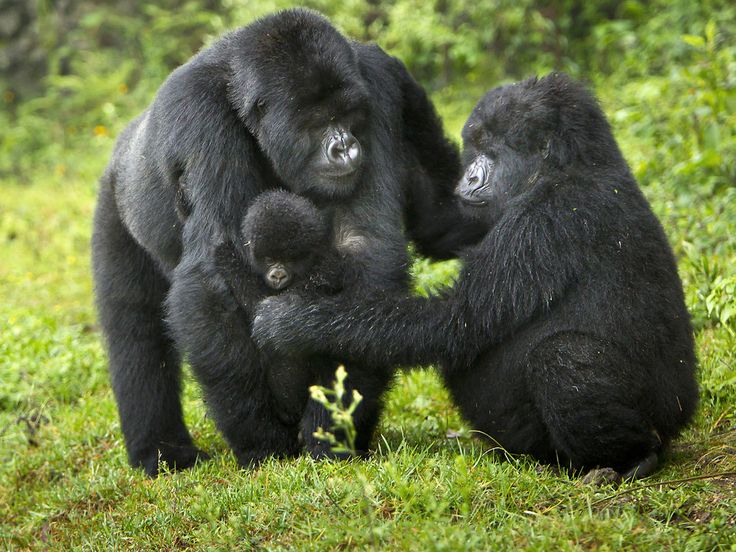
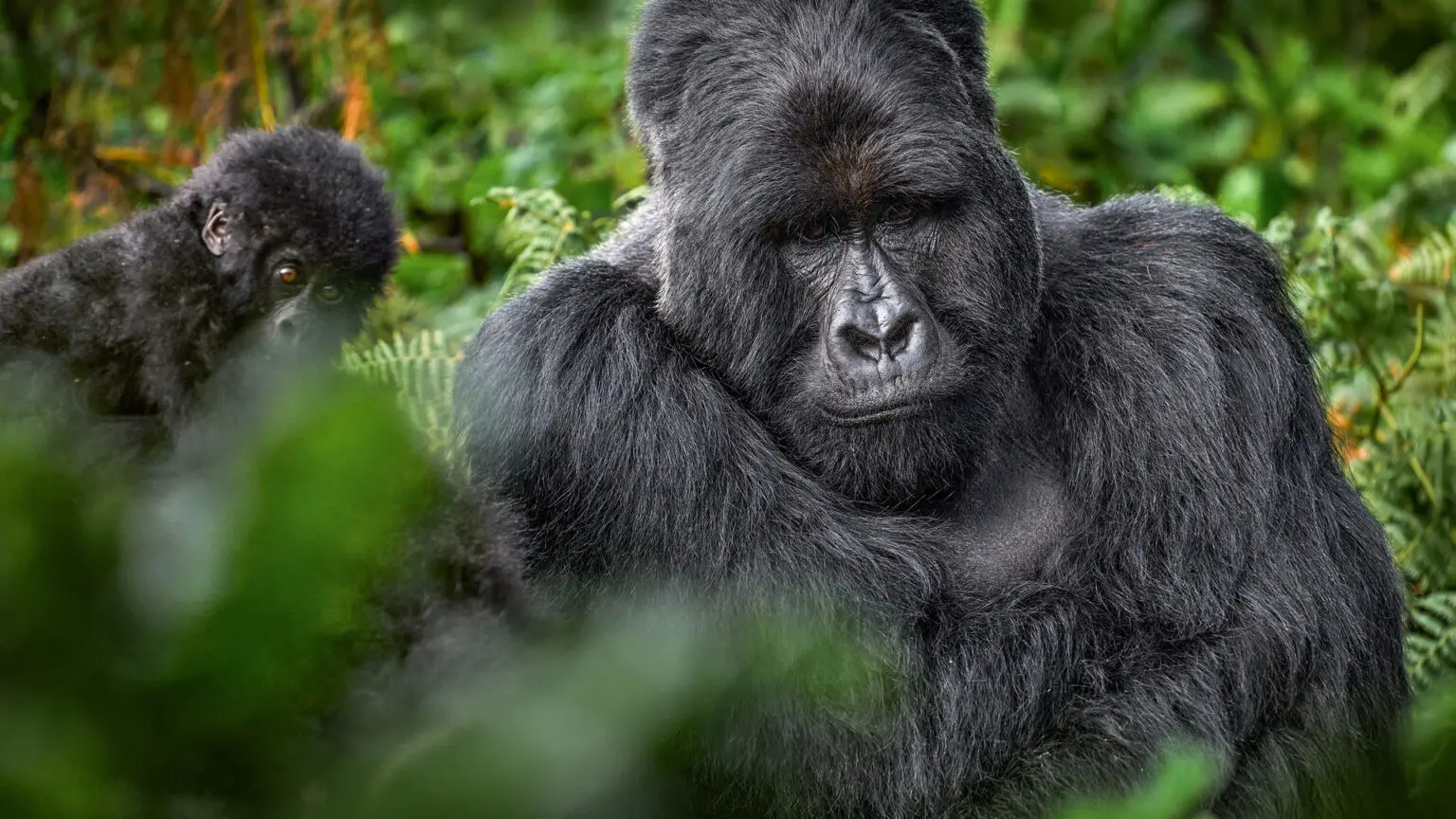
Around 1,000 mountain gorillas roam the wild today. Uganda shares about half with its neighbors. Bwindi Impenetrable National Park alone protects over 300 of them. This UNESCO site covers 331 square kilometers of dense rainforest. Mgahinga Gorilla National Park adds another 15 or so in a smaller area. These parks let you see gorillas up close while supporting conservation. Unlike Rwanda’s single park, Uganda spreads out the experience across two spots.
Diverse Trekking Experiences and Habituation Levels
Bwindi offers varied treks in sectors like Buhoma, Rushaga, Nkuringo, and Ruhija. Some paths challenge you with steep climbs, others stay flatter for easier walks. Mgahinga keeps things simpler with fewer groups and shorter hikes at times. You can pick based on your stamina. For deeper immersion, try the gorilla habituation experience in Rushaga. It lets you watch gorillas for four hours as researchers do. Standard treks limit you to one hour, but both build strong memories.
Affordability and Accessibility Compared to Neighbors
Permits in Uganda cost $800 for foreign non-residents as of 2026. That’s lower than Rwanda’s $1,500 fee. Tour packages start at $2,500 for a week, including lodging and transport. Internal flights or road trips from Entebbe make it simple to reach. Roads improved lately, cutting drive times from Kampala to Bwindi to six hours. You avoid the border hassles of crossing into DRC. Overall, Uganda gives great value for your gorilla trekking investment.
Understanding Gorilla Permits and Booking Essentials
Permits top the list of must-haves for Uganda gorilla trekking tours. They limit daily visitors to protect the animals. Book early to lock in your spot. We’ll walk through the steps to get one without stress.
Securing Your Gorilla Permit: Timing and Application
Plan ahead by six to twelve months for peak times. June through September and December to February draw crowds with dry weather. Use the Uganda Wildlife Authority website or licensed operators to buy. They handle paperwork and pair you with a group. Confirm your passport details match exactly. Last-minute spots pop up in slow months, but don’t count on it. Act fast to avoid missing out.
The Gorilla Habituation Experience (GHE) vs. Standard Trek
The standard trek gives you one hour with a habituated family. You observe from a safe distance and learn from guides. GHE extends that to four hours in less visited groups. It costs $1,500, twice the standard fee. You need good fitness since paths can be rougher. GHE suits those wanting a raw, longer look at gorilla life. Both options require the same health checks, like no contagious illnesses.
Best Time of Year to Plan Your Uganda Trek
Dry seasons from June to September and January to February ease the hike. Trails stay less muddy, and views sharpen. Rain falls less, so you trek without constant slips. Wet months like March to May and October to November mean fewer people. Paths get slick, but gorillas move to open spots for better photos. Pick dry for first-timers; wet for quiet vibes. Check weather updates close to your dates.
The Main Trekking Destinations in Uganda
Two parks lead Uganda’s gorilla scene: Bwindi and Mgahinga. Each brings its own flavor to gorilla trekking tours. Bwindi dominates with numbers, while Mgahinga adds volcanic drama. Explore them to match your style.
Bwindi Impenetrable National Park: The Main Attraction
Bwindi spans four main sectors for treks. Buhoma starts easy near the north entrance with river views. Ruhija in the east challenges with high altitudes and bird songs. Rushaga south offers GHE and diverse trails. Nkuringo southeast mixes steep drops with community walks. Lodges range from basic camps to fancy treehouses near each. Fitness varies: Buhoma suits moderate hikers, while Rushaga demands more endurance for two to eight-hour pushes. All sectors boast high gorilla sightings, over 90% success.
Mgahinga Gorilla National Park: The Virunga Volcanic Experience
Nestled in the Virunga volcanoes, Mgahinga covers just 33 square kilometers. It tracks one main group, Nyakagezi, across three peaks. Treks start from the base and climb slopes with stunning vistas. You might spot buffaloes or elephants too. Combine it with golden monkey tracking for extra primate fun. Paths average three to five hours, less crowded than Bwindi. Stay in simple guesthouses or eco-lodges at the edge.
Alternative Primate Encounters
Kibale National Park sits north for chimpanzee treks. It hosts 1,500 chimps in easy-to-reach forests. Add a day there after gorillas for full primate variety. Queen Elizabeth National Park nearby adds lion and hippo safaris. These spots round out your Uganda trip beyond just gorillas. You gain a broader view of East Africa’s wildlife.
Preparing for Your Trek: Fitness, Packing, and Etiquette
Prep right to make your Uganda gorilla trekking tour smooth. Think body readiness, smart gear, and respect for rules. These steps keep you safe and help the gorillas thrive.
Physical Fitness Requirements and Trek Difficulty Assessment
Expect hikes up to eight hours on uneven ground. You need strength for climbs and balance on roots. Test your limits with hill walks or stair climbs weekly before going. Aim for moderate cardio, like brisk runs three times a week. If you’re out of shape, pick easier sectors like Buhoma. Guides assess your fitness on-site and adjust groups. Most folks in decent health handle it fine.

Essential Packing List for Success
Pack light but smart for the forest. Bring waterproof boots that fit well—no blisters on trail. Layer clothes: quick-dry shirts, pants, and a fleece for cool mornings. Rain poncho or jacket beats sudden downpours. Slather on SPF 50 sunscreen and DEET repellent. Don’t forget a daypack, water bottle, and snacks. For photos, use a camera with zoom lens; phones work but zoom limits you.
Ethical Guidelines for Gorilla Observation
Stay seven meters back—no closer for their safety. Flash off on cameras to avoid startling them. Silence phones and keep talk low. These rules stop disease spread from us to them. Gorillas catch human bugs easily, which can kill. Follow guides; they enforce habituation without stress. One group’s poor behavior affects all future trekkers.
Crafting the Perfect Uganda Itinerary
Build your trip around the trek, then layer in extras. Good planning saves time and boosts enjoyment. We’ll map a sample and tips for stays and operators.
Recommended 7-Day Sample Itinerary Structure
Day one: Land in Entebbe, transfer to Kampala for rest. Day two: Drive to Bwindi, arrive by evening at your lodge. Day three: Early gorilla trek in chosen sector, afternoon relax. Day four: Move to Queen Elizabeth for game drives spotting elephants. Day five: Optional chimp trek in Kibale or boat on Kazinga Channel. Day six: Head to Lake Mburo for zebra walks, then back toward Entebbe. Day seven: Fly out with memories packed. Adjust for Mgahinga if you want volcanoes.
Choosing the Right Accommodation Level
Budget picks like community camps run $50 per night near trailheads. Mid-range lodges at $150 offer hot showers and views. Luxury spots like gorilla’s nest cabins hit $500 with spas. Buhoma has more upscale choices; remote Nkuringo leans basic. Match your stay to the sector—easy access cuts morning stress. Book with trek permits for deals.
Choosing a Reputable Tour Operator
Look for operators with Uganda Tourism Board licenses. Check reviews for reliable vehicles and knowledgeable guides. They should include all fees, no hidden costs. Local firms know shortcuts and support communities. Ask about insurance and emergency plans. Top ones like African Primate Safaris handle permits seamlessly.
Conclusion:
More Than Just a Tour—A Conservation Success Story
Uganda gorilla trekking tours offer a rare chance to meet gentle giants in their home. From Bwindi’s depths to Mgahinga’s peaks, each spot delivers unique thrills. Secure permits early, prep your body and gear, and follow ethics to make it count. Pair the trek with safaris for a full adventure. Your $800 permit funds rangers and schools, fighting poaching head-on. Book now—turn this trip into your part of the gorilla’s fight for survival.